5 Best Silver Spring MD Neighborhoods 2026 (Niche.com Rankings & Prices)
The 5 best Silver Spring neighborhoods in 2026 ranked by Niche.com — Downtown, East Silver Spring, Four Corners, Woodside, and Burnt Mills. Prices, schools, commute, and what each neighborhood is actually like.
Edward Dumitrache
March 29, 2026
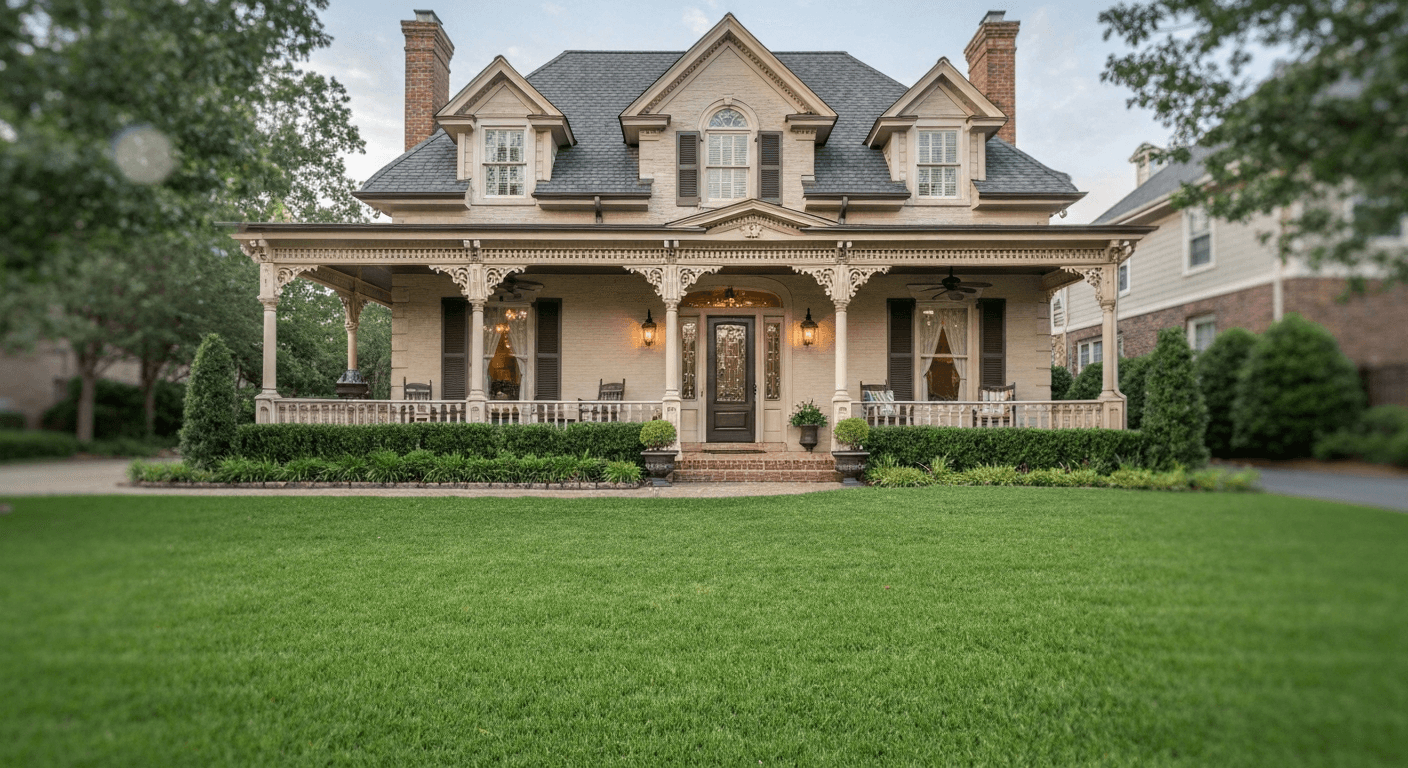
Part of: The DC Metro Neighborhood Guide — Where to Buy in MD, DC, and Northern Virginia
Silver Spring is the neighborhood that surprises people. Buyers who've only seen DC's northwestern suburbs tend to underestimate it. They think Montgomery County starts with Bethesda and ends somewhere around Rockville. Then they actually spend time in downtown Silver Spring — and they reconsider.
Niche.com gives Silver Spring strong marks for diversity (it's one of the most diverse urban neighborhoods in Maryland), nightlife/restaurants, commute access, and outdoor activities. The grades don't reach the A+ tier of Bethesda or Chevy Chase, but Silver Spring offers something those neighborhoods genuinely can't: an urban, walkable, transit-connected lifestyle at a price point that's increasingly rare this close to DC.
What Niche.com Says About Silver Spring (2026)
- Diversity — A+. Silver Spring is one of the most ethnically and economically diverse mid-density submarkets in the entire Mid-Atlantic.
- Nightlife — A. Downtown Silver Spring's Ellsworth Drive corridor, AFI Silver Theatre, and Fillmore Silver Spring give it real urban nightlife — rare in a Maryland suburb.
- Commute — A. Red Line directly to downtown DC; MARC train access for further-out trips.
- Good for Families — A−. Strong family-friendly retail and parks, balanced by the urban density.
- Public Schools — B. Montgomery Blair High School is home to the highly-selective Magnet Program (math, science, computer science) — one of the top STEM programs in the country.
- Outdoor Activities — A. Sligo Creek Park, Rock Creek Park access, and the Capital Crescent extension.
- Housing — B+. Still meaningfully below Bethesda and Chevy Chase on a per-square-foot basis.
Note: Niche grades update periodically. Check the link above for the most current data. For peer comparisons, see the Rockville Niche guide and the Bethesda Niche guide.
What Silver Spring Is
Silver Spring sits at the southern end of Montgomery County, directly bordering Washington DC (the Takoma neighborhood). The Red Line Metro stops at Silver Spring station — one of the busiest Metro stations outside of DC. From there, downtown DC is 15–20 minutes. No highway. No parking.
This is a genuine urban neighborhood. The central downtown area — Ellsworth Drive, Colesville Road, Veterans Plaza — has restaurants, the AFI Silver Theatre (a nationally renowned independent film venue), the Discovery Channel headquarters (now Warner Media), music venues, and a farmers market.
Surrounding the downtown core are distinct residential areas with very different characters.
The Neighborhoods Within Silver Spring
Downtown Silver Spring / Transit District: Condos and apartments, walking distance to Metro. The most urban option. Great for young professionals and couples who want to minimize car dependency. Prices: $350,000–$600,000 for condos.
East Silver Spring (near Takoma Park border): A mix of older single-family homes and apartment buildings. Bohemian feel, walkable streets, diverse population. Values have been rising as buyers get priced out of Takoma Park and DC. Prices: $450,000–$750,000 for single-family.
Four Corners: One of the more family-oriented corners of Silver Spring. Quiet residential streets, older colonial homes, strong community identity. Feeds into Montgomery Blair High School (which has a magnet science/tech program that's nationally ranked). Prices: $550,000–$850,000.
Woodside and Woodside Park: Beautiful older neighborhoods with large craftsman and colonial homes on generous lots. These are the blocks people drive through and picture themselves living on. Great school access, active neighborhood associations. Prices: $700,000–$1.1M.
Burnt Mills / White Oak adjacent: More affordable areas east of Georgia Avenue, transitional in some parts, improving in others. Best value per square foot in the Silver Spring general area. Prices: $350,000–$550,000.
The Schools: Montgomery Blair's Magnet
The major school draw in Silver Spring is Montgomery Blair High School's magnet program in computer science, mathematics, and laboratory science. Admission to the magnet is competitive and separate from neighborhood assignment, but it draws families from across the county — and families who get in often choose to buy near Blair specifically.
Outside the magnet, Silver Spring's school quality is mixed. Some elementary schools are excellent; others are more average by MCPS standards. The most important homework a Silver Spring buyer can do is check the specific school assignment for any address they're considering.
The Transit Advantage
Silver Spring's Red Line access is exceptional. The station is one of the most connected in the Metro system — you can transfer to MARC commuter rail, multiple bus lines, and the future Purple Line (which will connect Silver Spring eastward across Prince George's County toward College Park and Bethesda). For buyers who work in DC, Bethesda, NIH, or along the 270 corridor, Silver Spring's transit access is difficult to match.
What You're Actually Paying
Silver Spring's median home values run roughly:
- Condos: $280,000–$520,000
- Townhomes: $380,000–$600,000
- Single-family homes: $500,000–$950,000 (with premium streets in Woodside approaching or exceeding $1M)
This is significantly less than Bethesda or Chevy Chase for comparable home sizes and transit access. The reason isn't school quality (parts of Silver Spring have excellent schools) — it's perception. Silver Spring has historically been underestimated, and that underestimation has kept prices accessible. That gap is closing.
What's happening in downtown Silver Spring right now?
The area has seen continued investment over the past decade. The Ripley District redevelopment along the Purple Line corridor is bringing new residential and retail. The AFI Silver remains a cultural anchor. Restaurant quality has improved significantly — Silver Spring now has authentic Ethiopian, Salvadoran, Korean, Vietnamese, and Caribbean options that rival anywhere in the region. It's genuinely one of the best food neighborhoods in DC Metro.
Is Silver Spring safe?
Parts of downtown Silver Spring have higher crime rates than Bethesda or Potomac, which is why some buyers hesitate. The honest breakdown: the residential neighborhoods (Woodside, Four Corners, East Silver Spring) have very different crime profiles than the transit corridor. The areas immediately surrounding the Metro station have more incidents than the tree-lined residential blocks. Specific block-level safety data matters here more than zip-code averages.
Will the Purple Line increase Silver Spring property values?
Almost certainly yes for properties near the stations. The Purple Line connects Silver Spring to Bethesda (one direction) and College Park/Langley Park (the other). Properties within a half-mile of Purple Line stations in Silver Spring should benefit from increased transit connectivity. This effect has historically preceded line opening — the run-up in values starts once construction is visibly progressing.
Who is Silver Spring best for?
Silver Spring is genuinely great for: buyers who need DC Metro access without paying Bethesda prices; young families who want walkable urban lifestyle with space to grow; professionals who value diversity and cultural amenities; and buyers who believe the neighborhood is undervalued relative to its fundamentals (which I think it is).
My page on homes for sale in Silver Spring breaks down downtown, Woodside Park, Forest Glen, and Four Corners, plus the typical single-family price range.
Want to explore Silver Spring's best blocks? Let's connect and I'll show you where the value is in today's market.
About the Author

Edward Dumitrache
REALTOR®, Pearson Smith Realty
Licensed in MD, DC & VA · 10+ years · 100+ transactions · Montgomery County specialist
MD License 668402 · DC License SP98376910 · VA License 0225228053
Related Reading
Most Walkable Neighborhoods in Montgomery County: Where You Can Actually Leave the Car Home
Read →
Moving to Montgomery County, MD in 2026: Everything You Need to Know Before You Buy
Read →
10 Best Places to Live in Montgomery County, MD 2026 (A Local Agent's Honest Ranking)
Read →Ready to make a move?
I'm always happy to talk through what's happening locally — no obligation.
Get in Touch