New Construction vs. Existing Home in the DC Suburbs: Which Is the Better Buy?
New construction offers modern features and builder warranties. Existing homes offer negotiability and established neighborhoods. Here's a practical comparison for buyers in Montgomery County and the DC Metro in 2026.
Edward Dumitrache
March 25, 2026
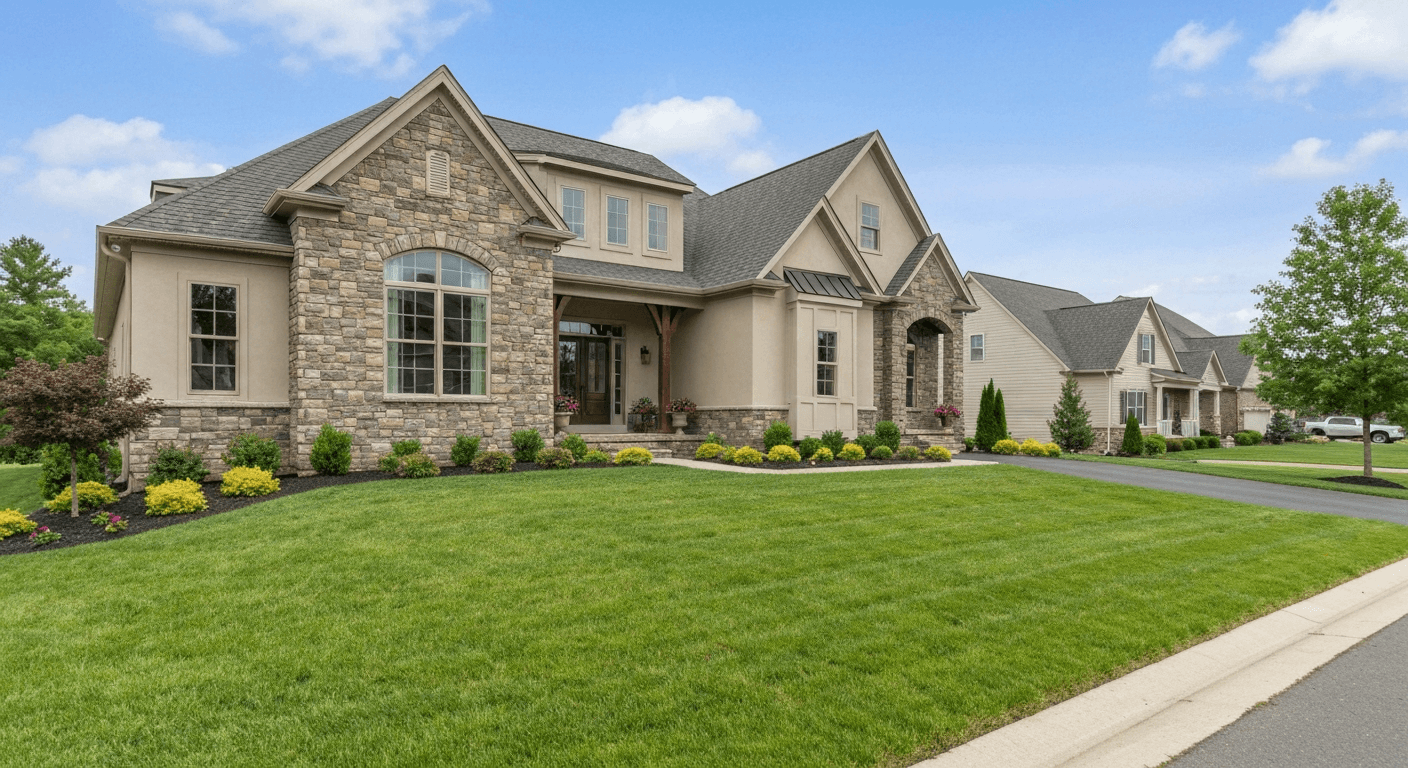
New construction has real appeal: modern floor plans, energy-efficient systems, builder warranties, and the ability to customize finishes. Existing homes have their own appeal: established neighborhoods, mature trees, character, and more room to negotiate. Neither is universally better — it depends on what you're optimizing for.
Here's how they actually compare in the DC Metro market in 2026.
Price: New Construction Is Not Always More Expensive — But It's Often Less Negotiable
In the DC suburbs, new construction typically carries a 10–20% premium over comparable existing inventory. But "comparable" is doing real work in that sentence — a new-construction townhome in Gaithersburg and a 20-year-old townhome in the same area are not the same product.
What new construction costs more for:
- Modern floor plans (open concept, primary suites with walk-in closets and spa baths)
- Energy-efficient systems (new HVAC, windows, insulation — lower utility costs for years)
- Builder warranty (typically 1-year workmanship, 2-year mechanical, 10-year structural)
- The ability to choose finishes, fixtures, and sometimes floor plan options
The negotiability difference is significant. A resale seller is a private individual with their own motivation and timeline. Builders are running a business — they have more price discipline but also respond to incentives: closing cost credits, free upgrades, rate buydowns (where the builder or their preferred lender buys down your mortgage rate for the first 1–3 years). At the end of a sales quarter or fiscal year, builder incentives can be substantial.
Location: Existing Homes Win in Established Areas
The most desirable locations in Montgomery County — Bethesda, Silver Spring, Chevy Chase, close-in Rockville — don't have new construction at any meaningful scale. All the infill lots have been built. New construction in the DC Metro is primarily in:
- Northern Montgomery County: Germantown, Clarksburg, Damascus
- Northern Fairfax: Beyond the Dulles corridor
- Prince George's County: Bowie, Upper Marlboro, Brandywine
- Loudoun County, VA: Ashburn, Leesburg, Sterling
If your target is "close-in, established Montgomery County neighborhood with Metro access," the inventory is almost entirely existing homes.
Timeline: New Construction Takes Longer
Buying a standing new-construction home (already built, ready to close) works like a resale transaction. Buying a to-be-built home — where you select a lot and floor plan and wait for construction — typically takes 6–18 months from contract to close depending on the builder's backlog and the stage of construction when you buy.
During that period, you need housing, and your interest rate lock will expire — builders typically offer rate locks for specific periods but construction delays are common.
HOA: New Construction Almost Always Has One
New construction communities in the DC suburbs virtually always include homeowners associations with monthly fees. These cover common area maintenance, amenity upkeep, and community management. Fees typically run $200–$600/month for townhome communities, higher for communities with amenities like pools and fitness centers.
Add this to your monthly cost calculation. A new construction home that appears $100/month cheaper than a resale home is often more expensive when HOA fees are included.
The Inspection Question
Existing homes get inspected, and inspections reveal the history of the home. New construction is sometimes sold with the assumption that it's brand new and therefore needs no inspection. This is a mistake.
New construction should be inspected:
- During construction (framing, pre-drywall) if you can get access
- At final walkthrough before closing
Builder construction has errors — missed insulation, improper window installation, plumbing rough-in issues. A third-party inspector who knows new construction will find things the builder's own punch-list missed. This is not adversarial; it's quality control.
What Existing Homes Do Better
- Mature landscaping and established neighborhoods — trees take decades to grow; new construction landscapes look sparse for years
- Price negotiation — individual sellers have more flexibility than builders
- Character and architectural variety — brick colonials, craftsmans, mid-century moderns have charm that new construction communities rarely match
- Established school quality — you know what you're getting; new communities sometimes feed into schools that are newly built or reconfigured
- Faster closing — no waiting for construction
Frequently Asked Questions
Is new construction a good investment in Montgomery County?
It can be, particularly in areas where the broader market is appreciating. The challenge is that you pay a premium for new construction features that may not fully reflect in resale value — you're paying for the freshness, not just the house. The investment case is strongest when you plan to hold for 7+ years.
Can you negotiate with home builders in Maryland?
Yes, but differently than with private sellers. Builders are less likely to reduce the base price (which would affect their other lot prices in the same community) and more likely to offer closing cost credits, free upgrades, or rate buydowns. End of quarter is the best time to negotiate with builders.
What is a builder warranty in Maryland?
Maryland law requires builders to provide minimum warranty coverage: 1 year on workmanship, 2 years on plumbing/electrical/HVAC, and 5 years on structural defects. Many builders offer additional coverage. Know what's covered and how to submit warranty claims before closing.
Should I use the builder's preferred lender?
Not automatically. Builder's preferred lenders often offer incentives (closing cost credits, rate buydowns) tied to using them, which can be valuable. But compare their total cost — rate plus fees — against outside lenders. Sometimes the incentive is real; sometimes it's priced into a higher rate.
Why does new construction have higher closing costs?
New construction often has transfer taxes, builder fees, HOA setup fees, and capital contribution fees that don't exist in resale transactions. Get a complete good-faith estimate of total closing costs before signing a new construction contract.
Weighing Your Options?
New construction vs. existing is a real decision with real tradeoffs. I work with buyers on both and can give you a straight read on what makes sense for your specific situation.

Ready to make a move?
I'm always happy to talk through what's happening locally — no obligation.
Get in Touch